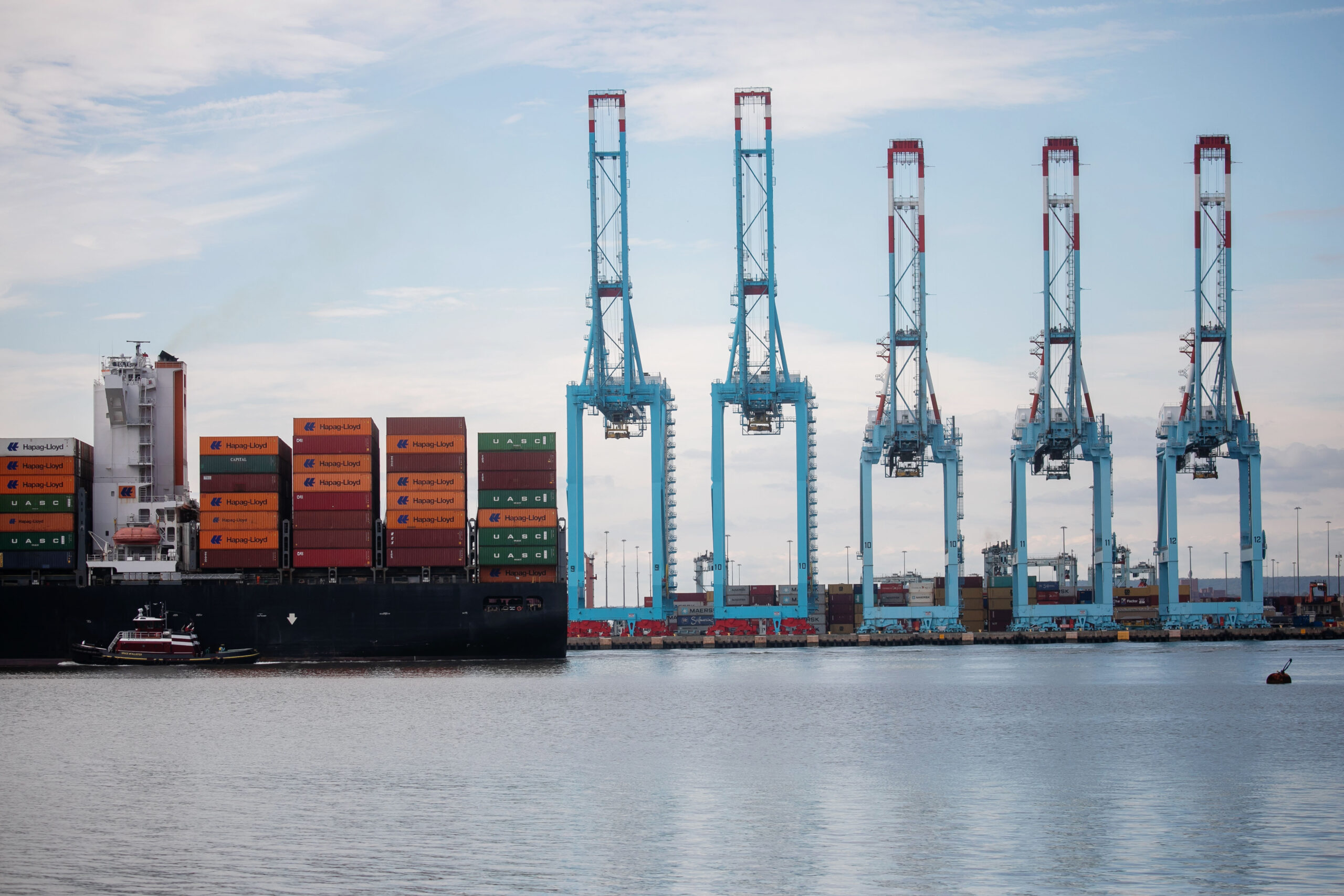
Just hours after several cargo ships turned around while trying to cross the vital waterway, a ship was hit by an unidentified projectile in the Strait of Hormuz, a development that could derail a quick reopening of the energy chokepoint.
Britain’s Maritime Trade Operations said the unidentified cargo ship was struck broadside and damaged its bridge as it sailed southeast of Oman. The UK Maritime Trade Organization (UKMTO), which liaises between merchant ships and the military, advised ships to “transit with caution”.
If Iran is found to be behind what UKMTO has classified as an attack, it would undermine the fragile confidence of shipowners and crews and prevent them from safely sailing through the oil corridor again. Tehran has repeatedly said that ships are not allowed to pass through the Strait of Hormuz without Iran’s permission, and earlier in the day, several oil tankers reportedly turned back after hearing warnings from the Iranian navy not to cross the Strait of Hormuz.
Ships have been sailing out of Hormuz since an interim peace deal between the United States and Iran took effect last week, rapidly adding millions of barrels to the supply. Gulf energy producers have begun ramping up output as flows through Hormuz appear to be increasing.
Two main exit routes through Hormuz have emerged in the past few weeks, as the normal route through the middle is believed to be mined. One is close to Iran and the other is close to the Omani coastline and protected by the United States.
two supertankers
Hours earlier, at least three commercial ships, including two supertankers, appeared to turn around while trying to cross the Strait of Hormuz from the Omani side. Shipping intelligence company Windward Maritime said the U-turn occurred after Iran’s Revolutionary Guards used radio calls and social media platforms to instruct the ship to turn around.
Not all ships turned around at the same time as the returning ships, according to tracking data compiled by Bloomberg. Some continue to quit. Iranian media also reported that Tehran was reasserting control over the crossing.
Thursday’s unrest came two days after the United Nations’ global shipping regulator, the International Maritime Organization, said it had received assurances that navigation in the Strait of Hormuz was safe. The International Maritime Organization canceled a media briefing minutes before it was scheduled to begin on Thursday without specifying an emergency.
Traffic through Hormuz increased rapidly after an interim peace deal between the United States and Iran took effect last week. However, there have been hiccups, including Iran saying over the weekend that the waterway was closed. Tehran’s Persian Gulf Straits Authority said last week that no ship would be allowed to pass through the Strait of Hormuz without its permission.
Oil prices rose after reports of events in Hormuz. Earlier in the day, Brent crude futures had wiped out all gains from the Iran war and were trading as low as $72.09. Following the release of the UKMTO report, prices rose to nearly $75.
In addition to three U-turns out of port, a fourth ship appeared to turn around after sailing from the Gulf of Oman toward Hormuz, ship tracking data showed.
Copyright 2026 Bloomberg.
theme
Energy Oil and Gas
interested in vitality?
Get automatic alerts on this topic.