The head of the International Maritime Organization said naval escorts through the Strait of Hormuz did not “100% guarantee” the safety of ships trying to pass through the waterway, the Financial Times reported on Tuesday.
Arsenio Dominguez told the Financial Times that military aid was not a “long-term or sustainable solution” to opening the strait.
The key Strait of Hormuz, through which 20% of the world’s oil and liquefied natural gas flows, remains largely closed, leading to higher energy prices and concerns about inflation.
Read more: $20B reinsurance program unlikely to restart Gulf shipping without liability insurance
Close too force A rapid and costly rethinking of supply chains is underway to keep essential imports flowing, with logistics companies scrambling to overcome the headaches of changing ship destinations, transporting goods overland and preventing perishable items from spoiling.
“When the root cause has nothing to do with shipping, we have collateral damage from the conflict,” Dominguez told the newspaper, adding that the International Maritime Organization had serious concerns about ships stuck in the bay depleting their crews of food and supplies.
international maritime organization council will meet Special meetings are being held at its London headquarters on Wednesday and Thursday to discuss the impact of the ongoing Middle East conflict on shipping and seafarers.
Dominguez called on ship managers to “not sail, not to put the seafarers in danger, not to put the vessel in danger,” the report said.
U.S. President Donald Trump has accused some Western allies of being ungrateful after some countries rejected his request to send warships to escort oil tankers through the Strait of Hormuz.
(Reporting by Anusha Shah in Bengaluru; Editing by Tom Hogue)
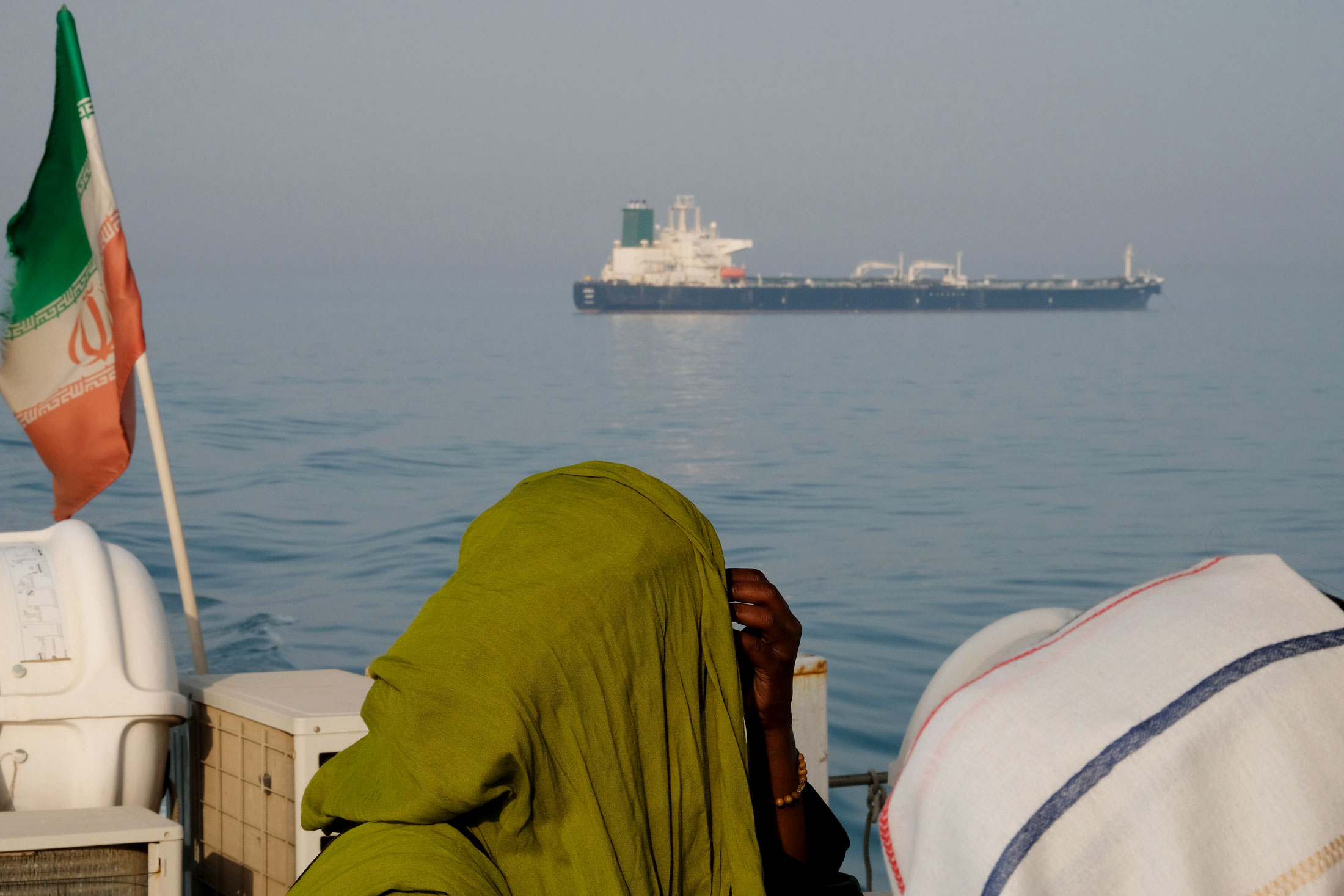
Photo: An oil tanker in the Strait of Hormuz. Photo credit: Kaveh Kazemi/Getty Images
Related: