Bahrain said it had been targeted by Iran and a ship in the Strait of Hormuz was attacked on Saturday afternoon, with Tehran and Washington accusing each other of violating a ceasefire agreement.
This comes after Iran claimed on Saturday that it had targeted U.S. bases in the Persian Gulf following U.S. attacks on Iranian missile storage facilities and radar facilities on Friday. These were in response to an Iranian drone attack on a container ship in Hormuz on Thursday.
Although an unnamed U.S. official told CNN after the U.S. airstrikes that this does not currently constitute a return to major combat operations, the back-and-forth could undermine the fragile detente that has essentially ended fighting in the Middle East.
Bahrain’s foreign ministry said multiple Iranian drones struck the country early Saturday morning, the state-run Bahrain News Agency reported. It is home to the U.S. Navy’s 5th Fleet and has been targeted by Tehran several times since the U.S. and Israel launched war in late February, along with other Gulf states that host U.S. military bases and thousands of troops.
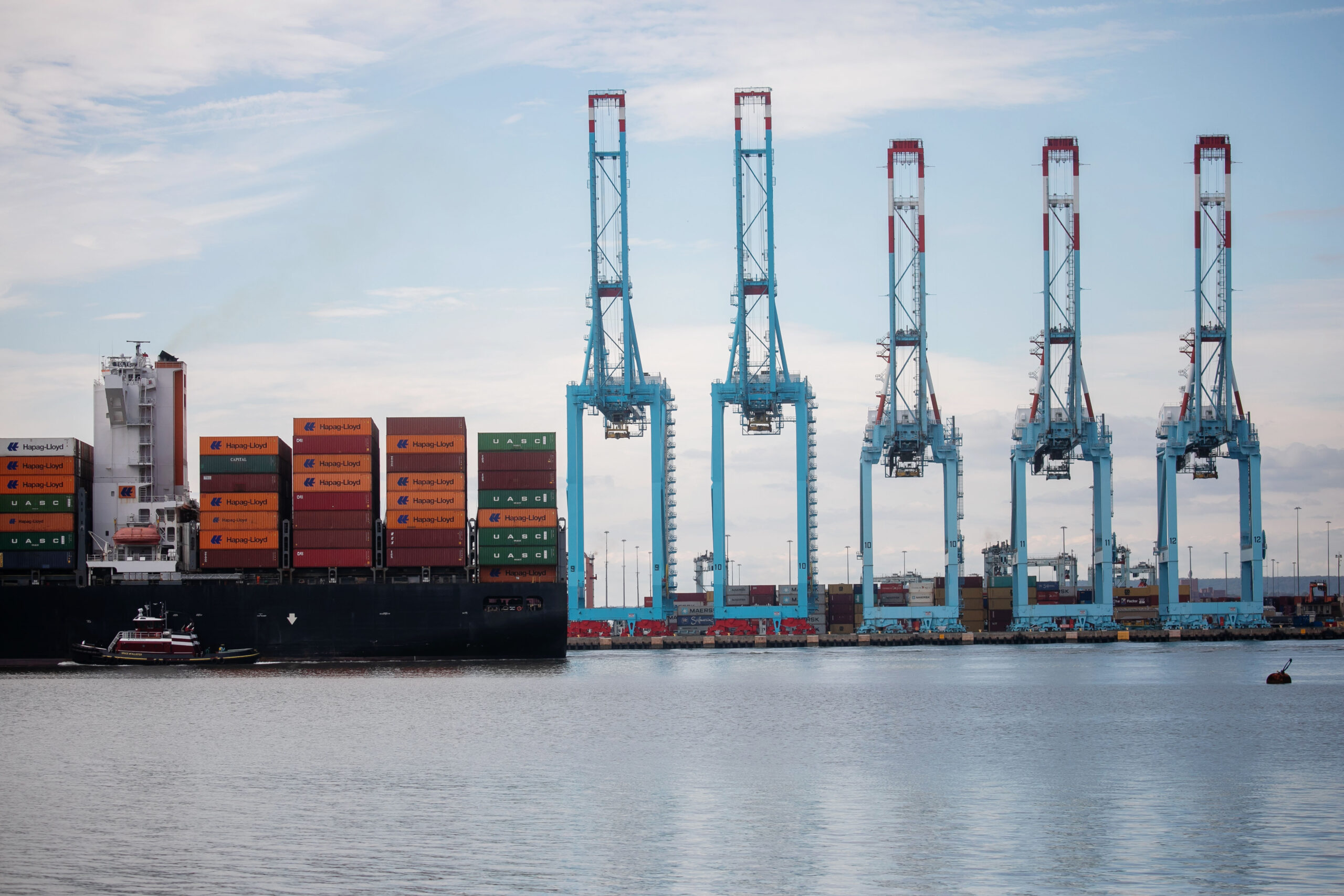
Britain’s Naval Group said on Saturday that an oil tanker was hit by an unidentified projectile in the Strait of Hormuz, although ship tracking data showed that multiple ships continued to pass through the waterway on a route near the coasts of Iran and Oman on Saturday morning.
Joint Maritime Information Center on Saturday raised security threats in Strait of Hormuz “significant” After attacking a merchant ship.
Iran’s foreign ministry said in a statement on Saturday that the U.S. attack was a “clear violation of the first paragraph of the memorandum of understanding signed by the two countries earlier this month.” The Islamic Revolutionary Guard Corps claimed it attacked a number of locations in the United States in response, but did not specify which ones. U.S. Central Command did not respond to a request for comment on Iran’s claims.
U.S. Vice President Vance said the United States had “honored” the agreement.
“If they have a disagreement about how to apply the MOU, they can pick up the phone,” he said on X on Friday. “But fight violence with violence.”
While the broader U.S.-Iran deal has suffered setbacks, there has been some progress on a key sticking point — Israel’s invasion of Lebanon and its battle with Tehran-backed Hezbollah, which has left thousands dead. On Friday, the two countries and the United States signed a preliminary agreement aimed at paving the way for an end to the conflict and an eventual peaceful resolution.
Since signing a 60-day truce last week, US President Donald Trump has said he would resume military action against Iran if it violates the terms of the deal. Under the terms of the deal, ships can pass through the vital strait and negotiate over its nuclear program in exchange for lifting sanctions.
The question now is how much a return to strikes will slow progress in restoring shipping traffic in the energy channel to pre-war levels. Washington and Tehran agreed last week to an interim peace deal despite trade strikes before the document was finalized.
However, the two sides are still clashing over key provisions of the deal, including whether Iran will impose tolls or other monetary costs on ships seeking to pass through the Strait of Hormuz. Oman told European officials that the ships may eventually be subject to some fees, Bloomberg reported earlier.
Trump’s decision to strike demonstrates his willingness to use military force to preserve freedom of navigation in the strait. But Iran’s attack also showed that it is seeking to maintain control of the waterway, which the country largely closed after the war began on February 28, giving the waterway its biggest leverage against the United States as the United States disrupts the global economy.
Drone attacks have shaken the fragile confidence of shipowners and crews. Tehran has repeatedly said ships are not allowed to pass through the Strait of Hormuz without its permission, and several oil tankers reportedly turned back early Thursday after receiving warnings from the Iranian navy.
Central Command said in a statement Friday that it will “continue to provide coordination and support for the safe passage of commercial vessels in transit.”
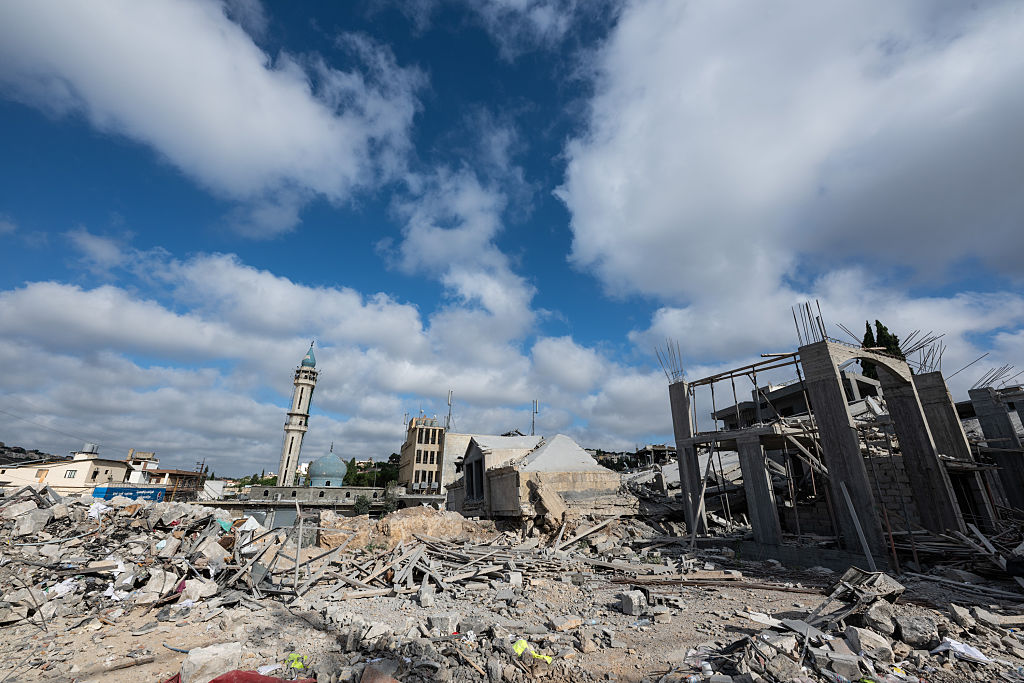
Photo: Damage caused by an Israeli airstrike on the center of Nabatiyeh, Lebanon, June 26, 2026; Photo credit: Guy Smallman/Getty Images.
Copyright 2026 Bloomberg.
The most important insurance news, in your inbox every weekday.
Get the insurance industry’s trusted newsletter