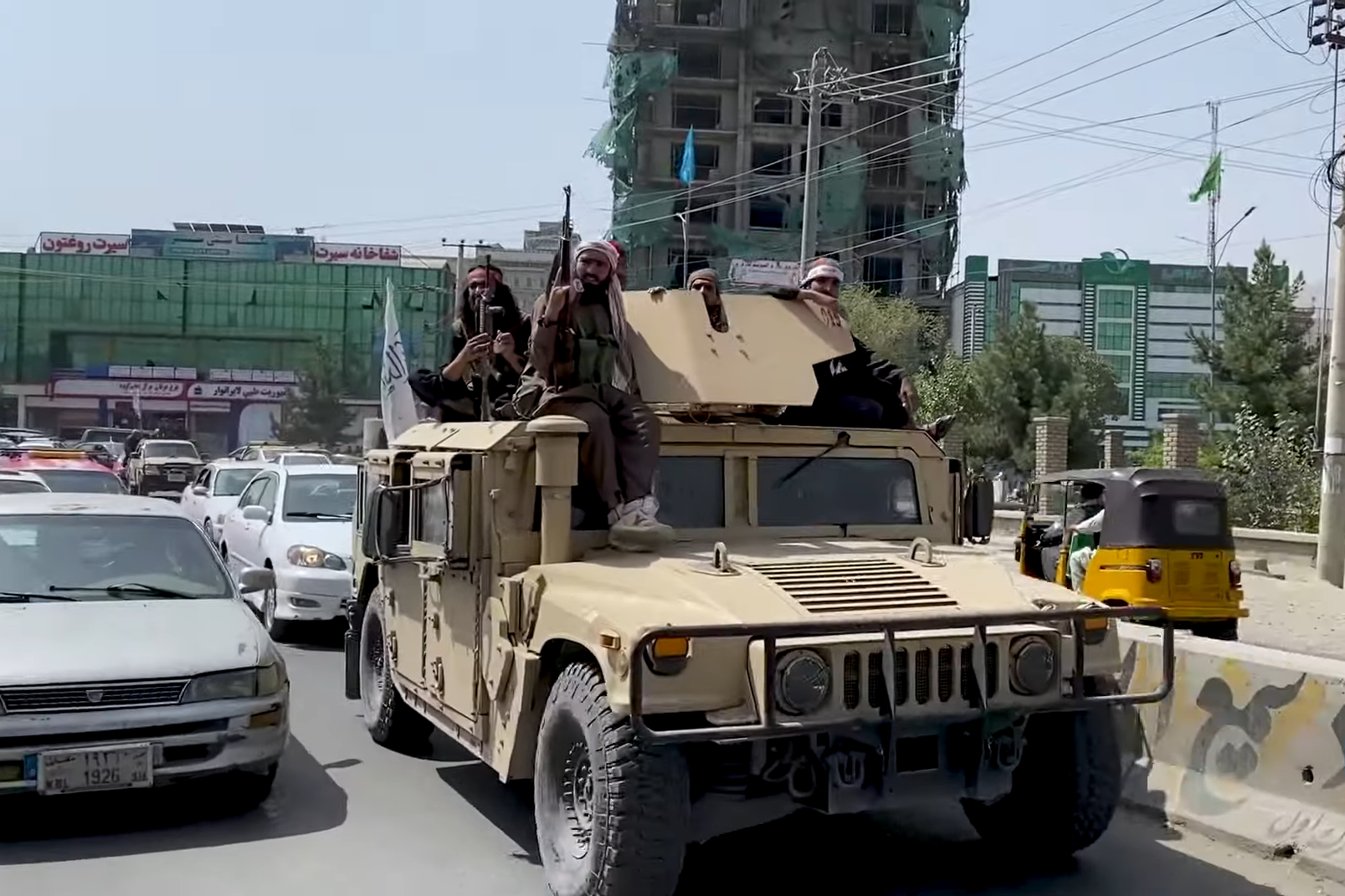
UN rights experts on Thursday sentenced the de facto Taliban government in Afghanistan over the detention of 30 women for alleged dress code violations and the use of excessive force against protesters demonstrating against the restrictive dress code in the city of Herat.
The protests centered on “increasingly repressive restrictions” and the detention of several women for violating orders restricting their clothing, such as wearing a burqa or chador with a face mask and a ban on the use of perfumes. Authorities reportedly opened fire on and physically attacked protesters, including women and children. Accordingly ReportsTwo were killed, including a minor, and 20 were injured. While the experts confirmed reports of stone-throwing by some of the demonstrators, they noted that this act alone did not justify the use of lethal force.
The experts called on the Taliban to comply with international human rights treaties and recalled that Afghanistan is a party to the treaty International Covenant on Civil and Political Rights, the Convention against Torture and the Convention on the Elimination of All Forms of Discrimination against Women. The experts added:
The use of force in law enforcement is strictly limited under international law. This is permitted only if it is lawful, necessary and proportionate to the threat to officials or others and if it respects the principles of precaution, non-discrimination and accountability.
Allegations that women have been detained for dress code violations are deeply concerning and may constitute arbitrary and unlawful detention, as they appear to penalize the exercise of their right to freedom of expression and freedom from gender discrimination…
Equality, peaceful assembly, freedom of expression and movement, and protection from arbitrary detention are fundamental rights essential to restoring public trust and preventing the situation from deteriorating further
Deputy Special Representative for Afghanistan Georgette Gagnon confirmed they were the women who were arrested sometime over the weekend were released on Monday. Gagnon, who also runs it UN aid mission in Afghanistan warned that the arrests themselves “carry enormous stigma that can put women at risk of further violence and isolation in their families and communities even after their release.” Gagnon also called on the Taliban to abide by international legal norms and uphold the rights of “all” Afghans to freedom of expression, peaceful assembly, freedom and security of person, and freedom from arbitrary detention.
The experts called on the Taliban to launch a “swift, effective, independent, impartial and transparent” investigation into the incident to determine whether “the use of lethal force was strictly necessary and proportionate to protect lives” and to hold those responsible “and their chain of command” accountable.
Since regain power in 2021The Taliban have imposed several restrictions on the rights of girls and women, including a ban on education, bans on employment and the implementation of discriminatory laws. Earlier this month, Taliban authorities said banned Afghan women was prevented from entering UN premises, which was condemned by a coalition of UN experts. In March 2026, the UN found in a report that these measures resulted in a systemic restriction of Afghan women’s access to health care. In July 2025, the International Criminal Court (ICC) issue an arrest warrant against a Taliban leader for introducing extensive legal restrictions targeting women and girls.
These restrictive policies and the exclusion of women from public life not only constituted serious violations of the fundamental rights of Afghan women, but also had devastating consequences for Afghanistan’s overall socio-economic situation, depriving the country of well-trained professionals who could contribute to the provision of vital services, especially in times of crises such as environmental disasters.